

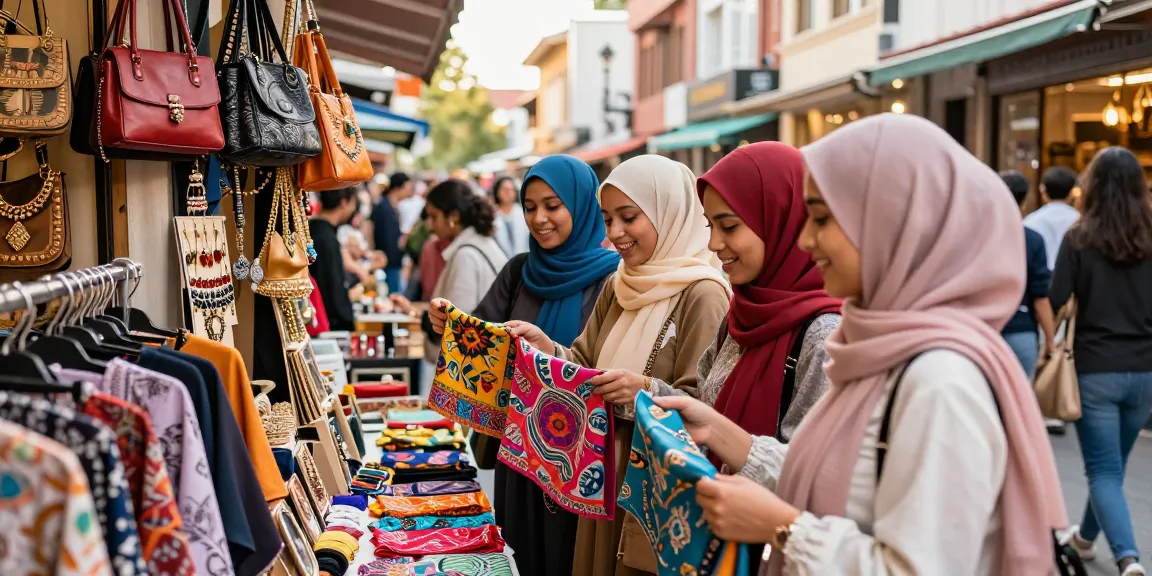
Understanding the Hijabi Store Landscape
As the fashion industry continues to evolve, the concept of a Hijabi store has emerged as a vital segment catering specifically to the needs of Muslim women. Hijabi stores focus on providing stylish, modest clothing options that respect cultural and religious values while staying on-trend. The growth in demand for modest fashion has spurred innovative designs, diverse fabric choices, and the incorporation of unique patterns that appeal to a broad audience, making it an exciting and dynamic market to watch.
What is a Hijabi Store?
A Hijabi store is a retail outlet, whether online or physical, that specializes in clothing, accessories, and hijabs designed specifically for Muslim women. These stores offer a variety of garments that promote modesty, such as long dresses, tunic tops, and various styles of hijabs that can complement any outfit. The aim of these stores is to provide fashionable choices that align with the Islamic principles of modesty, enabling women to express their personal style without compromising their beliefs.
Key Trends Shaping the Hijabi Store Market
The Hijabi store market is shaped by several key trends that reflect changing consumer preferences and cultural shifts. Some of the most notable trends include:
- Sustainable Fashion: The rise of eco-conscious consumers has led to an increasing demand for sustainable and ethically produced clothing. Hijabi stores now emphasize environmentally friendly materials and production processes.
- Inclusivity: Brands are expanding their size ranges and styles to accommodate a diverse customer base, recognizing that modest fashion transcends cultural boundaries.
- Technological Integration: With the growth of e-commerce, many Hijabi stores are using technology to enhance the shopping experience, incorporating virtual fitting rooms and AI-driven style recommendations.
Consumer Preferences in 2026
Looking ahead to 2026, consumer preferences in the Hijabi store market are likely to evolve further. Key factors influencing these preferences include:
- Personalization: Consumers will expect personalized shopping experiences, with tailored recommendations based on their previous purchases and style preferences.
- Community Engagement: Brands that foster community through social media engagement and collaborations with influencers or designers will likely gain more traction.
- Accessibility: As e-commerce continues to thrive, consumers will demand easier access to international brands and products, pushing Hijabi stores to enhance their shipping and logistics capabilities.
Top Features to Look for in a Hijabi Store
Quality of Fabrics and Styles
When shopping at a Hijabi store, the quality of fabrics and styles is paramount. Look for stores that offer a range of materials, from lightweight cotton for summer wear to warmer fabrics for winter. The design should not only be modest but also stylish, with patterns and colors that resonate with contemporary fashion trends.
Inclusivity and Representation in Branding
Inclusivity is crucial in today’s market. A good Hijabi store should represent diverse models and styles that cater to various backgrounds and body types. This representation helps customers feel seen and valued, fostering brand loyalty and a sense of community.
Customer Service and Shopping Experience
Exceptional customer service can significantly enhance the shopping experience. Look for stores that offer easy returns, customer support, and user-friendly websites. Providing detailed product descriptions, video try-ons, and customer reviews are also essential features that enhance the overall experience.
Comparing Hijabi Stores: A Comprehensive Guide
Online vs. Physical Hijabi Stores
The debate between online and physical Hijabi stores continues. Online stores provide convenience and a wider selection, allowing customers to browse products from the comfort of their homes. Meanwhile, physical stores offer the advantage of trying on clothes and receiving personalized assistance from staff. Depending on individual preferences, each option has its distinct benefits.
Local vs. International Brands
Choosing between local and international Hijabi brands can be challenging. Local brands often have a deeper understanding of regional cultural nuances, which can be reflected in their offerings. In contrast, international brands may provide a more extensive range of styles and fabrics, often incorporating global fashion trends. Consumers should evaluate their values and preferences when making their choice.
Price Comparison and Value for Money
Price is an important factor when comparing Hijabi stores. While high-quality, sustainable products may come with a higher price tag, it’s important for consumers to assess the overall value for money. Consider factors like durability, style, and how well the clothing fits into your existing wardrobe.
Challenges Facing Hijabi Stores Today
Addressing Misconceptions About Hijabi Fashion
Hijabi stores often face misconceptions regarding modest fashion, where people may assume that it lacks style or variety. Challenging these stereotypes through innovative marketing and influencer partnerships can help reshape perceptions and attract a broader audience.
Adapting to Changing Consumer Behavior
As consumer behaviors evolve, Hijabi stores must stay ahead of trends and adapt their offerings. Utilizing data analytics to understand purchase patterns and preferences can help these stores remain relevant in a competitive market.
Logistical Hurdles in Ecommerce
E-commerce presents logistical challenges, particularly for international shipping. Hijabi stores need efficient systems for inventory management and shipping to ensure timely delivery, which directly affects customer satisfaction.
The Future of Hijabi Stores: Predictions for 2026
Innovative Technologies and Shopping Experiences
The integration of innovative technologies will play a key role in the future of Hijabi stores. Expect to see augmented reality (AR) applications that allow customers to visualize how clothing will look on them before making a purchase, as well as AI-driven tools that suggest outfits based on current trends.
Emerging Fashion Trends and Cultural Shifts
Fashion trends in the Hijabi market will continue to evolve, with a greater emphasis on cultural storytelling. Designers may incorporate elements from their heritage into modern, wearable designs, creating a unique fusion that resonates with consumers.
Sustainability in Hijabi Fashion
As sustainability becomes a priority for consumers, Hijabi stores that prioritize eco-friendly practices and materials will likely see increased demand. This includes utilizing organic fabrics, sustainable packaging, and ethically produced items.
What is the best way to shop at a Hijabi store?
When shopping at a Hijabi store, it’s best to start by identifying your style preferences and needs. Consider your existing wardrobe and look for pieces that can be easily mixed and matched. Utilize customer reviews to gauge fit and quality, and take advantage of any available size guides to ensure a perfect fit.
How can I choose the right hijab style for my outfit?
Selecting the right hijab style can enhance your overall outfit. Consider the formality of your attire and choose a hijab fabric that complements it. For casual looks, opt for lightweight materials, while for formal occasions, heavier fabrics may provide a more elegant appearance. Experimenting with different styles can also help you discover what suits you best.
What do I need to know about sizing in hijabi clothing?
Sizing in hijabi clothing can vary between brands, so it’s crucial to consult size charts before purchasing. Pay attention to both the measurements provided and any available customer feedback regarding fit. Consider trying on similar items from the same brand before making a larger purchase to ensure a good fit.
Are there Hijabi stores that cater to special occasions?
Yes, many Hijabi stores offer collections designed specifically for special occasions, such as weddings, Eid, and other celebrations. Look for stores that specialize in formal wear, as they often provide elegant dresses and stylish accessories tailored for these events.
What trends should I expect in Hijabi fashion in 2026?
In 2026, expect to see more bold colors, innovative patterns, and a blend of traditional and contemporary design elements in Hijabi fashion. Additionally, as societal norms progress, you may find increased acceptance of various styles of hijabs and modest clothing that break conventional boundaries.