

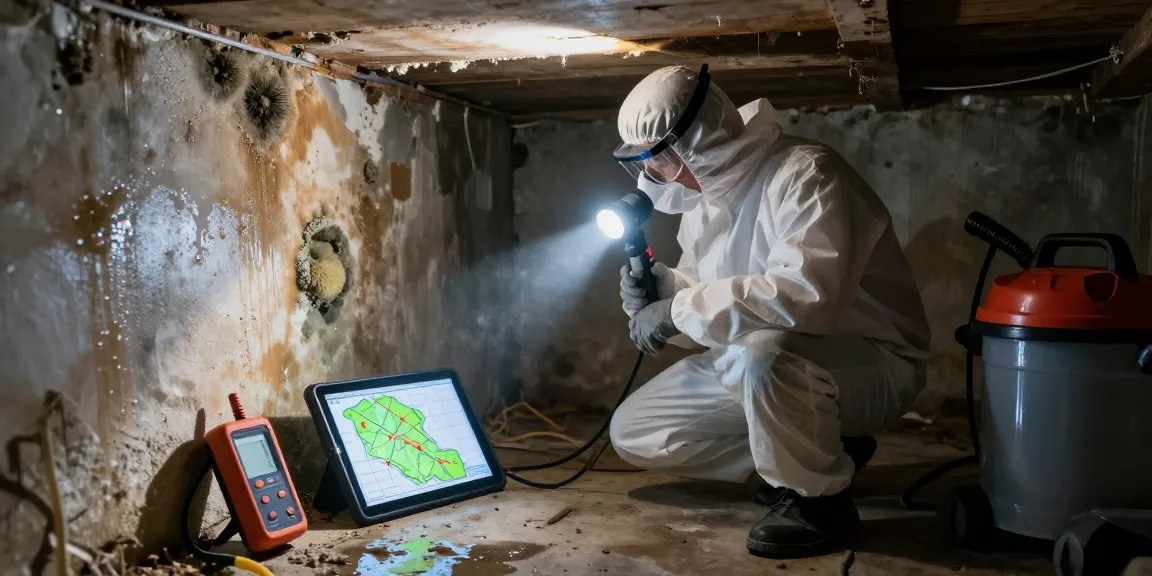
Understanding Mold and Its Health Implications
Mold is an insidious organism that thrives in moist environments, posing significant threats to both our health and property. In South Florida, where humidity levels soar, mold can rapidly become a problem for homeowners and business owners alike. The presence of mold is not just a cosmetic issue; it can lead to serious health complications and property damage. With the proper mold removal services, those affected can reclaim their spaces and ensure a safe environment.
What is Mold and How Does it Grow?
Mold is a type of fungus that grows in multicellular structures known as hyphae. Mold spores are ubiquitous in the environment, existing in various forms and can be found both indoors and outdoors. Mold growth is often triggered by moisture, which can stem from leaks, flooding, or even high humidity. When mold spores settle on damp surfaces, they germinate and can multiply rapidly, leading to visible colonies.
Common Health Hazards Related to Mold Exposure
Exposure to mold can lead to a variety of health issues. The most common effects include respiratory problems, allergic reactions, and skin irritation. Long-term exposure has been linked to more severe conditions, such as chronic lung disease, immune system complications, and in some cases, neurological issues due to mycotoxin release. Understanding these health risks underscores the importance of prompt and effective mold remediation.
Identifying Symptoms of Mold-Related Illnesses
Recognizing the symptoms associated with mold exposure is crucial. Common indicators include:
- Persistent coughing and sneezing
- Shortness of breath or wheezing
- Sinus congestion or nasal irritation
- Skin rashes and irritation
- Headaches and fatigue
If these symptoms occur consistently while at home or work, it is essential to conduct a mold assessment promptly.
Why Choose Professional Mold Removal Services?
Hiring professionals for mold removal offers several advantages. Certified experts possess the training and equipment necessary to effectively handle mold situations safely. Additionally, they adhere to industry standards to ensure thorough remediation, preventing future mold outbreaks.
Benefits of Hiring Certified Mold Remediation Experts
Choosing certified professionals provides assurance that the job will be done correctly. These experts can identify various types of mold and their impacts, formulate effective strategies for removal, and possess the expertise to remediate issues without causing further damage to your property.
Understanding the Mold Removal Process Steps
The mold removal process typically involves several key steps:
- Assessment: Professional mold inspectors evaluate the extent of mold growth and identify moisture sources.
- Containment: Isolating affected areas to prevent the spread of mold spores during removal.
- Removal: Safe removal of mold-infested materials, followed by cleaning and disinfection.
- Repair: Making necessary repairs to prevent mold from returning.
These steps are critical for effective remediation and for safeguarding both health and property.
How Advanced Equipment Enhances Mold Removal Efficiency
Modern mold remediation companies utilize advanced equipment such as HEPA filters, air scrubbers, and moisture meters. These tools enable technicians to effectively extract mold spores from the air and surfaces, ensuring a thorough cleaning process that significantly reduces the likelihood of mold regrowth.
Mold Assessment and Testing: What You Need to Know
Before initiating mold removal, professional assessments and testing are crucial. They help determine the type and extent of mold present, thus informing the subsequent remediation strategy.
Importance of Professional Mold Inspections
Professional inspections are vital to uncover hidden mold growth and evaluate indoor air quality. Trained inspectors employ specialized techniques to identify areas not visible to the untrained eye, enabling them to address potential health hazards accurately.
Types of Mold Testing: Air Quality vs. Surface Sampling
Two primary methods of mold testing are air quality assessment and surface sampling. Air quality tests measure airborne mold spores, while surface sampling identifies mold growth on exposed surfaces. Both methods are integral to understanding the severity of mold contamination.
Evaluating Test Results for Effective Remediation
After testing, results must be interpreted correctly to devise an effective remediation plan. Certified professionals can analyze the data and recommend appropriate actions based on mold type, concentration, and affected area.
Cost and Budgeting for Mold Removal Services
Understanding the cost of mold removal services is essential for budgeting purposes. Prices can vary based on several factors, including the size of the affected area, the type of mold, and the extent of the damage.
Typical Cost Range for Mold Remediation in South Florida
In South Florida, the cost of mold remediation typically ranges from $1,500 to $3,500, depending on the severity of the infestation. However, localized factors such as property size and specific services required can lead to variations in pricing.
Factors Influencing Mold Removal Pricing
Several factors can influence the cost of mold removal:
- Extent of mold contamination
- Type of mold present
- Accessibility of affected areas
- Additional repairs required post-remediation
Homeowners should obtain estimates from multiple services to ensure competitive pricing.
How Homeowners’ Insurance Can Cover Mold Removal Costs
Many homeowners’ insurance policies may cover mold remediation expenses, particularly when the mold results from a covered peril, such as a burst pipe. However, policies often have specific limitations and exclusions, so it’s essential to review the terms with your insurance provider.
Preventing Future Mold Growth After Remediation
After successfully removing mold, it’s crucial to implement measures to prevent its return. Mold thrives in moisture-rich environments, so managing humidity levels is key to long-term prevention.
Strategies to Maintain Low Humidity Levels
To keep humidity in check, consider the following strategies:
- Use dehumidifiers in areas prone to moisture.
- Install exhaust fans in kitchens and bathrooms.
- Ensure proper ventilation in attics and basements.
Best Practices for Homeowners Post-Mold Removal
Homeowners should conduct regular inspections to identify early signs of mold resurgence, such as musty odors or water stains. Regular maintenance and prompt repairs of leaks and water damage can significantly reduce the risk of mold returning.
Long-term Solutions to Keep Your Home Mold-Free
Consider investing in mold-resistant building materials during renovations, as they can provide additional protection against future infestations. Maintaining a dry and well-ventilated environment is the most effective long-term strategy.
How fast can Mold Only respond to a mold emergency?
Mold Only offers swift response times for mold emergencies. Our team is trained to assess the situation quickly and take action to mitigate further damage.
Do you provide black mold removal services?
Yes, our specialists at Mold Only are equipped to handle the removal of black mold and other hazardous mold types, ensuring a safe environment for you and your family.
What’s the difference between mold removal and mold remediation?
Mold removal refers specifically to the physical act of removing mold, while remediation encompasses the entire process of identifying, containing, and addressing the underlying causes of mold growth, thereby preventing future occurrences.
What specific experience do you have with hurricane-related mold issues?
Given South Florida’s climate, our team specializes in dealing with mold issues that arise after hurricanes and heavy rains. Our extensive training prepares us to handle the unique challenges presented by storm-related water damage.
How do you prevent mold from returning after remediation?
We implement thorough assessments to identify moisture sources and recommend ongoing maintenance strategies to keep humidity levels low, effectively preventing future mold growth.