Understanding the 18000 BTU Mini Split System
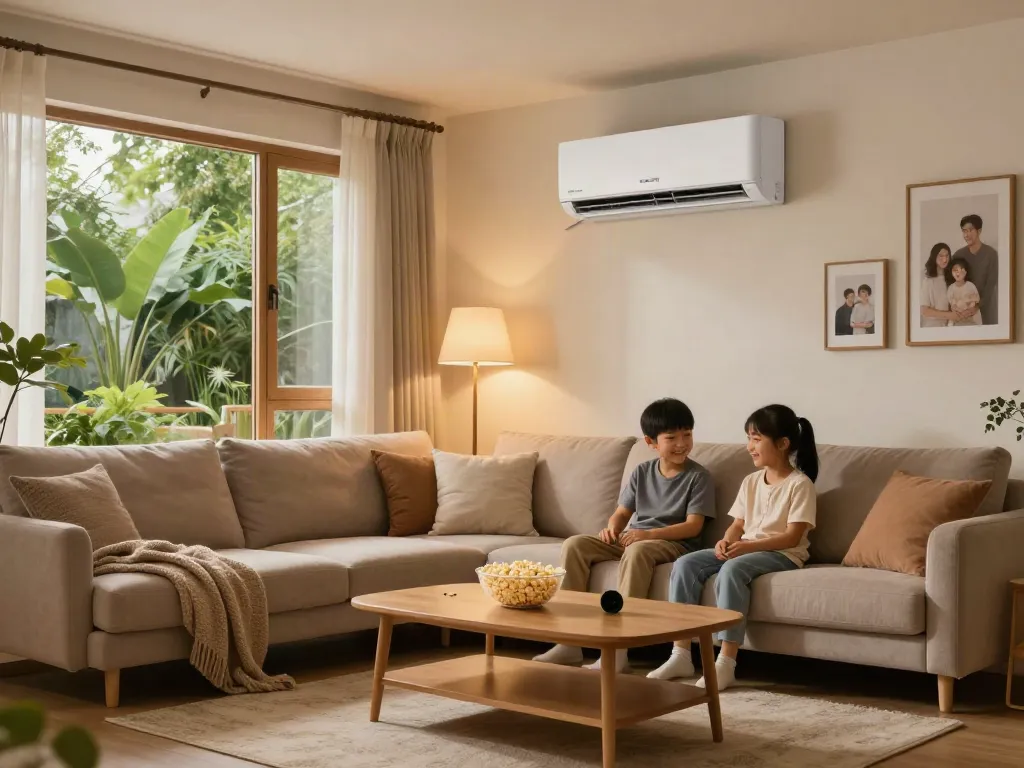
The 18000 BTU mini split system has become increasingly popular among homeowners seeking an efficient, flexible heating and cooling solution. This system offers a unique combination of technology and design that caters to various living environments, making it an essential investment for those looking to enhance their indoor comfort. With the flexibility of installation and energy efficiency, the mini split system presents a modern alternative to traditional HVAC units. When exploring options, 18000 btu mini split units stand out for their ability to deliver powerful performance without the need for ductwork.
What is a Mini Split AC System?
A mini split AC system is a ductless air conditioning unit that consists of two key components: an outdoor compressor and one or multiple indoor air handling units. This separation allows for flexible installation, as the indoor units can be placed where cooling or heating is most needed without extensive ductwork. Mini splits operate on the principle of heat exchange, which means they can both cool and heat spaces effectively. This makes them a versatile choice for various climates and home layouts, from cozy apartments to expansive open spaces.
Benefits of Using an 18000 BTU Mini Split Unit
- Energy Efficiency: With a high SEER rating, the 18000 BTU mini split system consumes less energy than traditional HVAC systems, leading to significant savings on utility bills.
- Zone Control: Homeowners can customize comfort levels in different areas of the home, enabling each room to maintain its desired temperature independently.
- Quiet Operation: Unlike window units or conventional air conditioners, mini splits operate quietly, enhancing the comfort of your environment without disruptive noise.
- Easy Installation: The absence of ductwork means installation is quicker and less invasive, often allowing for DIY options depending on the model.
Is 18000 BTU Right for Your Space?
Choosing the right BTU capacity depends heavily on the size and insulation of your room. An 18000 BTU system is typically recommended for spaces ranging from 550 to 1250 square feet, depending on factors such as ceiling height, window orientation, and climate. Consulting an HVAC professional can help ensure that you select the appropriate size for optimal performance, comfort, and efficiency.
Key Features of the 18000 BTU Mini Split
Energy Efficiency Ratings and What They Mean
The efficiency of mini split systems is often indicated by the Seasonal Energy Efficiency Ratio (SEER). An 18000 BTU unit with a SEER rating above 15 is considered highly efficient and can significantly reduce energy consumption. Regular efficiency evaluations ensure your mini split operates at peak capacity, enhancing longevity and performance.
Noise Levels and Operational Sounds
One of the most notable advantages of mini splits is their quiet operation. Most units operate at sound levels between 19 to 48 decibels, which is comparable to a whisper or the sound of rustling leaves. This makes them perfect for bedrooms, living rooms, and offices where silence is golden.
Installation Requirements for Mini Split Systems
While mini splits are designed for easier installation than traditional systems, they still require specific considerations such as adequate electrical supply, placement of the indoor and outdoor units, and proper sealing. It's recommended to engage a licensed HVAC technician for installation to ensure compliance with local building codes and to optimize system performance.
Comparing Competitor Models of 18000 BTU Mini Splits
Top Brands and Their Offerings
Several brands dominate the market for 18000 BTU mini splits, each bringing unique attributes to the table. Notable brands include:
- Senville: Known for their cost-effective solutions, Senville units provide reliable performance and good efficiency ratings.
- Della: Della's offerings focus on modern aesthetics with high energy efficiency, catering to a stylish setup.
- MRCOOL: MRCOOL is recognized for its DIY-friendly installation kits, appealing to cost-conscious homeowners.
- Daikin: A premium brand, Daikin units are known for their advanced technology and superior efficiency.
Price Comparisons and Value Analysis
The price range for an 18000 BTU mini split can vary significantly based on brand, features, and installation level. On average, units can range from $1,500 to $3,000, with some high-end models exceeding this range due to advanced features such as smart technology integration. Evaluating longevity, warranty, and efficiency can help determine the best value for your investment.
User Reviews: What Customers Are Saying
User feedback plays a crucial role in understanding product performance. Many customers highlight energy savings and quiet operation as significant benefits. However, common concerns include the installation complexity for DIY enthusiasts and the need for professional servicing when issues arise. Overall, the consensus suggests that investing in an 18000 BTU mini split is worthwhile for improved comfort and efficiency.
Installation and Maintenance of Your Mini Split Unit
Step-by-Step Installation Guide
Installing an 18000 BTU mini split requires careful planning. Follow these simplified steps:
- Select the location for the indoor unit, ideally on an interior wall for optimal airflow.
- Mount the mounting bracket and drill holes for the coolant lines.
- Run the copper lines and electrical wiring from the indoor unit to the outdoor compressor.
- Connect the lines and secure all fittings to prevent leaks.
- Test the unit to ensure it operates smoothly, making any necessary adjustments.
Common Maintenance Tips for Longevity
Regular maintenance can significantly extend the life of your mini split system. Key maintenance tips include:
- Cleaning or replacing air filters every 1-3 months to maintain airflow and efficiency.
- Inspecting the condensate drain for clogs to prevent water damage.
- Scheduling professional maintenance at least once a year to check refrigerant levels and system integrity.
Seasonal Checklists to Ensure Optimal Performance
To keep your mini split running efficiently year-round, consider these seasonal checklists:
- Spring: Clean filters and outdoor units from debris, check refrigerant levels.
- Summer: Monitor performance during peak heat; assess insulation and sealing.
- Fall: Prepare for winter by ensuring the system is protected from falling debris and ice.
- Winter: Check for frost on the outdoor unit; clear snow if necessary.
Future Trends in Mini Split Technology
Innovations to Expect by 2026
The HVAC industry continues to advance, with new technologies shaping mini split systems. Expect improvements in energy efficiency, quieter operations, and even smaller unit designs that enhance space aesthetics while maximizing performance.
Smart Technology Integration in HVAC Systems
The integration of smart technology is revolutionizing mini split systems, allowing users to manage settings remotely through apps and smart home systems. Features such as energy usage tracking and predictive maintenance alerts will become industry standards, enhancing user convenience.
Sustainability Practices in Mini Split Manufacturing
As environmental concerns escalate, manufacturers are focusing on sustainability in production practices. Future mini split systems are likely to utilize eco-friendly refrigerants and renewable materials, aligning with global efforts to reduce carbon footprints.
What is the average lifespan of an 18000 BTU mini split?
The average lifespan of a well-maintained 18000 BTU mini split system ranges between 15 to 20 years. Regular maintenance, including cleaning and servicing, can significantly extend this lifespan.
How does the installation process affect performance?
The installation process is crucial for optimal performance; improper installation can lead to inefficiencies, increased energy costs, and system failures. Professional installation is recommended to ensure proper setup and function.
Can I install a mini split myself?
While it is possible to install a mini split yourself, proper knowledge of HVAC systems and electrical work is necessary. If you are unfamiliar with these areas, it is advisable to hire a professional to ensure safety and system efficiency.
What maintenance does an 18000 BTU mini split require?
An 18000 BTU mini split requires regular cleaning of filters, inspections of refrigerant levels, and professional check-ups at least annually. Following these steps ensures optimal performance and energy efficiency.
When is the best time to buy an air conditioner?
The best time to buy an air conditioner is typically during the off-season, from late fall to early spring, when demand is lower, and discounts are more common. However, consider purchasing ahead of peak summer months to ensure the availability of your preferred model.